
How to clean sterling silver safely: soap, polishing cloth or aluminium bath?
Introduction: the safest way to clean silver
You will find several different guides on how to clean silver, and everybody is claiming something else is best. But genuinely, what is the quickest, safest way to clean your jewellery and especially your silver jewellery?
|
Method |
Best For |
What it removes |
Risk Level |
|---|---|---|---|
|
Mild soap & water |
Regular cleaning |
Oils, cosmetics, dust and surface dirt |
Lowest |
|
Silver polishing cloth |
Light tarnish and dullness |
Thin tarnish layer |
Low when used gently |
|
Aluminium Bath |
More extensive tarnish on suitable sterling silver |
Silver sulphide tarnish |
Higher; not suitable for every piece |
|
Professional Cleaning |
Valuable, antique or delicate jewellery |
Tarnish, dirt and complex damage |
Lowest risk for difficult pieces |
Silver types should be identified before cleaning
Silver comes in many forms, but we’re talking about silver, not silver-plated. Silver-plated is a different story entirely.
Jewellery is often made with a mix of materials. Before cleaning, try to identify what your item is made of. If you are unsure, the safest option is to use mild soap and water.
Sterling silver and the 925 hallmark
As I mentioned before, there are many different types of silver depending on how much silver they contain and which other metals are added. The purest form is 100% silver, but that is most of the time too soft to use for jewellery. The next best thing is sterling silver, also known as 925 silver, 925 or .925. This is 92.5% silver. The remaining 7.5% are other alloy metals which improve the strength of the product.
One characteristic of silver is that it has the natural tendency to tarnish. For those of you who don’t like this, we have a collection which is less prone to turning black.
Silver-plated Jewellery
Don’t confuse Silver-plated jewellery with silver jewellery. It just has a thin layer of the precious metal. It undergoes a special treatment to cover the item with a layer of silver or gold.
Because silver plating is only a thin layer, it needs a gentler touch than 925 silver. Harsh cleaning can remove not only the tarnish, but the plating itself.
Oxidised or deliberately blackened silver
Not all black silver jewellery and items are in need of cleaning. First of all, it is a personal preference; some people find it gives character to an item. On the other hand, some jewellery is purposefully oxidised to give it a black exterior. Therefore, these items shouldn’t be cleaned regularly. If they do need cleaning, avoid silver polish.
Silver jewellery with gemstones, pearls or glued elements
You can of course clean items with gemstones, pearls, beads or other glued elements. But be careful, as a cleaning method that is fine for the silver may be too harsh for the other materials.
You should be particularly careful with pearls, opals, amber, turquoise, enamel and glued stones like Swarovski.
Antique, hollow or composite silver objects
If you have something with hollow handles, wood, leather, felt, resin, ivory, bone, unknown adhesives, or delicate solder joints, don’t immerse the pieces. Liquids can damage non-silver materials, weaken glued areas or become trapped inside hollow sections.
Why does sterling silver tarnish?
Don’t mix up tarnish with dirt. So what is tarnish exactly? As silver is a natural product, it will react with items which contain sulphur in the environment. So basically the dark layer on your necklace or ring is a nice and neat layer of silver sulphide. Silver oxidation will expedite if there’s a lot of humidity around you. Perspiration, cosmetics, salty air and some household products can also speed up this discolouration.
Tarnish does not automatically mean the silver is of poor quality or even fake.
So after all the warnings, you might think, how should I clean my silver jewellery or cutlery?
How to clean silver with mild soap and water
This method is one of the easiest and most definitely the safest. The most important thing is that you use a mild soap. So no harsh cleaning soap.
First and foremost, you will need a mild dish soap. It is important to choose a soap that does not contain harsh chemicals or abrasives, as these can damage the delicate surface of silver. Look for a soap that is labelled as gentle or suitable for delicate items. Additionally, a soft sponge is essential for applying the soap and gently scrubbing the silver. Avoid using abrasive pads or brushes, as these can cause scratches on the surface of your silver items.
You’ll also need a bowl or container large enough to submerge your silver items in soapy water. This allows for a thorough cleaning and ensures that every nook and cranny is reached. Warm water is preferable, as it helps to loosen dirt and grime more effectively than cold water. Finally, a soft, lint-free cloth is necessary for drying and polishing the silver once it has been cleaned. Microfibre cloths are ideal for this purpose, as they are gentle and do not leave behind any fibres.
In addition to these basic materials, consider having a very soft brush on hand for cleaning intricate or detailed silver pieces. A soft-bristled toothbrush can help reach areas that are difficult to clean with a sponge or cloth, such as crevices and engravings. Make sure the toothbrush is designated solely for silver cleaning to avoid any cross-contamination with other household cleaning tasks. With these materials in hand, you are ready to embark on the simple and effective task of cleaning your silver items using the soap and water method.
Step-by-Step instructions:
- Inspect the jewellery for loose stones or damaged clasps.
- Add a small amount of mild soap to lukewarm water.
- Wipe or briefly wash the silver.
- Gently clean detailed areas without scrubbing aggressively.
- Rinse carefully in clean water.
- Dry immediately and thoroughly.
- Buff lightly with a separate dry cloth.
This method will remove skin oils, hand cream, perfume residue, dust and everyday grime. This method is not meant for black or brown tarnish.
How to clean silver with a polishing cloth
This is another relatively easy method. You only need to buy a silver polishing cloth for your item. There are many different ones, so do your homework. If you want to clean your silver with a polishing cloth, this is best done when there is slight yellowing, fingerprints, if the surface looks dull, light tarnish or when you need to do some maintenance between deeper cleanings.
Instructions:
- Use a polishing cloth specifically for silver, and not for gold or other metals.
- If you are cleaning anything with chains, hold them carefully so they are not stretched.
- Give it a gentle rub and don’t use heavy pressure. You can stop if there is no tarnish left.
- Don’t wash your polishing cloth unless the manufacturer permits it.
A Note About Yazzy’s Silk Silver Collection
Yazzy’s Silk Silver collection has its own characteristic matte finish. Do not use a standard silver polishing cloth on these pieces, as polishing may alter the surface. For Silk Silver jewellery, follow the specific care instructions provided for the collection.
How to clean silver with aluminium foil and baking soda
This method is almost like magic with items available in most kitchen cupboards. It uses aluminium foil and baking soda in a very nifty way.
How the aluminium bath works
In short, it is an electrochemical method. So nothing will be polished away here. The aluminium foil, silver tarnish and the baking soda react with each other. Remember the sulphur that causes the black colour? During this process, it is drawn away from the silver surface.
To try this method, you need the following:
- Heat-resistant non-metal bowl
- Aluminium foil
- Hot water
- Baking soda
- Soft cloth
- Clean rinse water
Step-by-step instructions:
- Most importantly, confirm that the item is real sterling silver, so it needs to have the 925 hallmark.
- Line a non-metal bowl with aluminium foil.
- Place the silver in direct contact with the foil.
- Add baking soda dissolved in hot water.
- Leave the item in the solution for a short period of time!
- Stay with it and check regularly.
- Remove the piece once the tarnish has lifted.
- Rinse thoroughly.
- Dry immediately after the rinse.
When not to use an aluminium bath
This method is only suitable if the item is 925, .925 or Sterling Silver. Do NOT use this for:
- Silver-plated jewellery
- Oxidised silver
- Antique or historically valuable silver
- Jewellery with pearls, opals or other delicate stones
- Glued components
- Enamel
- Hollow jewellery
- Mixed-metal jewellery
- Pieces with intentionally dark decorative recesses
- Items with unknown construction
- Rhodium-plated silver unless the maker approves it
Which silver cleaning method is best for my jewellery?
Not sure how to clean your silver jewellery? Use the guide below to find the safest cleaning option.
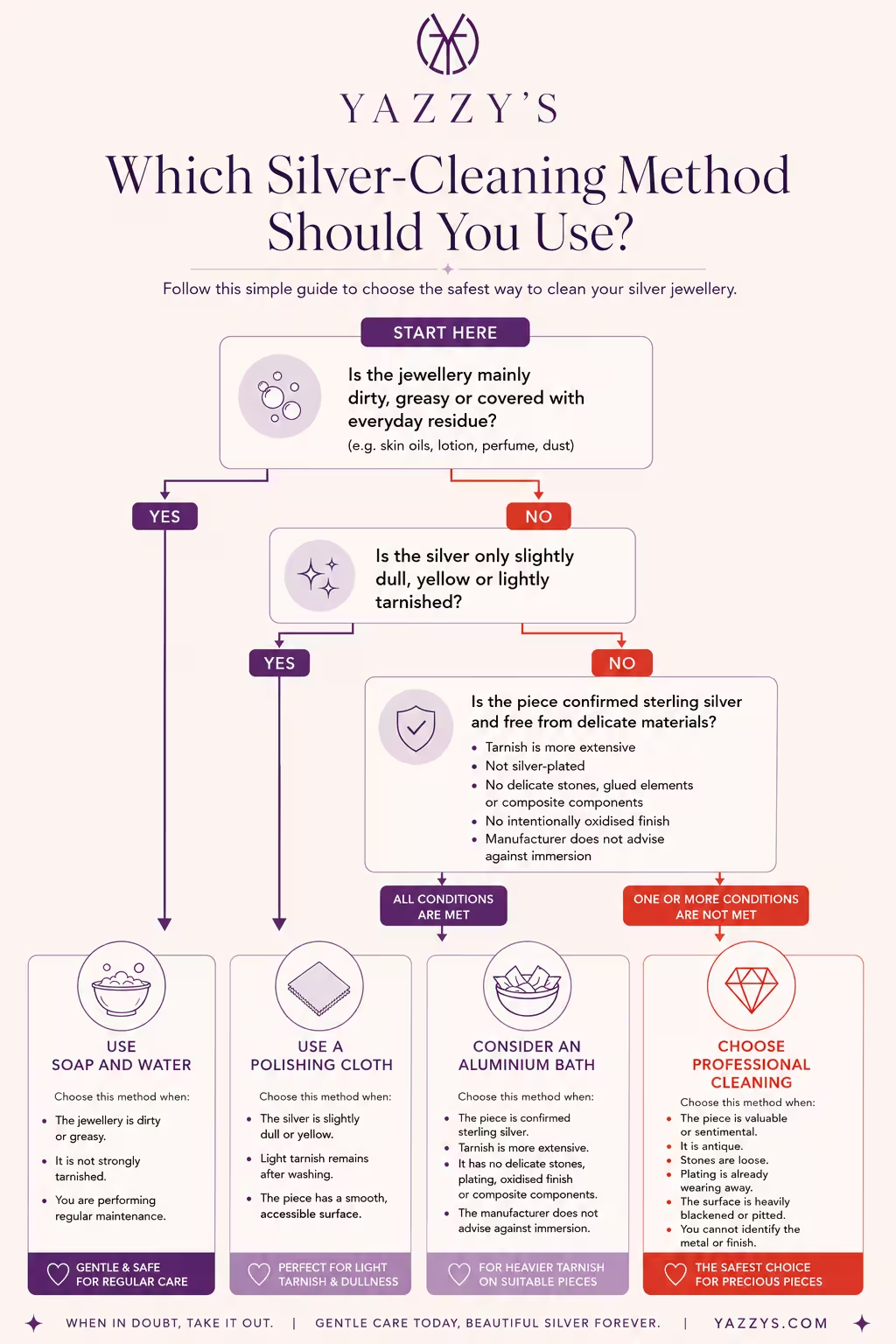
How to clean different types of silver jewellery
Each jewellery item, whether it is an intricate earring or bracelet, needs a different cleaning approach. The starting point is always lukewarm water, a small amount of mild soap and a soft cloth. Always dry the jewellery thoroughly after cleaning. Never store your items in a damp or humid state. Here are some tips on what to look out for.
How to clean a sterling silver necklace
Pay attention to the tarnish between the different chain links. Larger links are naturally a little easier to clean than very fine ones. Avoid stretching the chain and make sure you dry around the clasp properly.
How to clean a sterling silver ring
We have all been there, at least the people who wash their hands with their rings still on their fingers. You have an accumulation of soap and hand cream under, over and everywhere around your rings. So when cleaning your silver rings, pay attention to this. You should also clean beneath the settings if your ring has stones. But before you start, check the stones first. Some stones and adhesives should not be soaked. So check first how the stone should be cleaned.
How to clean silver earrings
What is important in cleaning silver earrings is the build-up of skin oils, hair products and cosmetics. This will happen over time, and it is best to remove it regularly. Also, clean your hooks, posts and backs often and maintain good hygiene. Do not use any harsh disinfectants for this; that is not necessary.
How to clean a silver bracelet
Bracelets can be very easy to clean or more challenging depending on the design.
Clean silver bracelets with warm water, mild dish soap, and a soft cloth or toothbrush, drying thoroughly right after to prevent tarnish. For hinges and clasps, brush gently into the joints to clear trapped grime, avoid soaking, and dry the mechanism fully before it sits. For charm bracelets, check each charm’s material first and clean them individually rather than treating the whole piece the same way. With mixed materials (stones, pearls, leather, enamel, plating), skip soaking and polishing, and always treat the piece according to its most delicate component.
Silver-cleaning methods and hacks not to use
There are silver cleaning methods and hacks that you’d better avoid if you like your jewellery and items; they are: toothpaste method, dry baking soda, bleach and chlorine, cola, ketchup, lemon juice and vinegar. They are too abrasive or harsh.
How often should you clean your sterling silver?
There is no need for a rigid cleaning schedule.
Just a few household rules should be sufficient:
- For jewellery you wear often, give it a quick wipe after each use.
- Wash it when you notice a build-up of cosmetics, oils, or everyday dirt.
- Use a polishing cloth only once tarnish starts to appear.
- Choose a deeper clean only if the gentler methods no longer do the job.
How can I prevent my silver from tarnishing
A little care goes a long way when it comes to keeping silver jewellery bright and beautiful. Start by wearing your silver jewellery as often as possible. You will notice that, if left unworn, it will start to oxidise quickly.
Always make sure each piece is completely dry before storing it, as lingering moisture can encourage tarnishing.
Store jewellery separately in soft pouches or lined compartments to avoid scratches; you might want to consider using an anti-tarnish pouch or cloth for added protection.
Try to limit prolonged exposure to humid air and keep silver away from chlorine, bleach, rubber and strong household chemicals. Perfume, hairspray and body lotion should be applied before putting on your jewellery, allowing the products to dry first.
Remove silver jewellery before swimming, showering or cleaning your house.
When storing several pieces, avoid placing them together in an intertwined bundle, as chains may knot and surfaces can rub against one another. Not to mention the time you will spend unknotting them. Careful storage will not stop tarnish entirely, but it can help your silver retain its shine for much longer.
Keep your silver jewellery beautiful for a long time
Start by identifying the metal. Is it really sterling silver, or is it a compound? Be sure to identify it as not silver-plated.
How to clean silver at home; there are 3 main methods:
- With mild soap and water
- With a silver polishing cloth
- The aluminium foil method
To reduce how often you need to clean your silver, it is best to store your items carefully and properly in a dedicated box or pouch. Don’t jumble everything together.
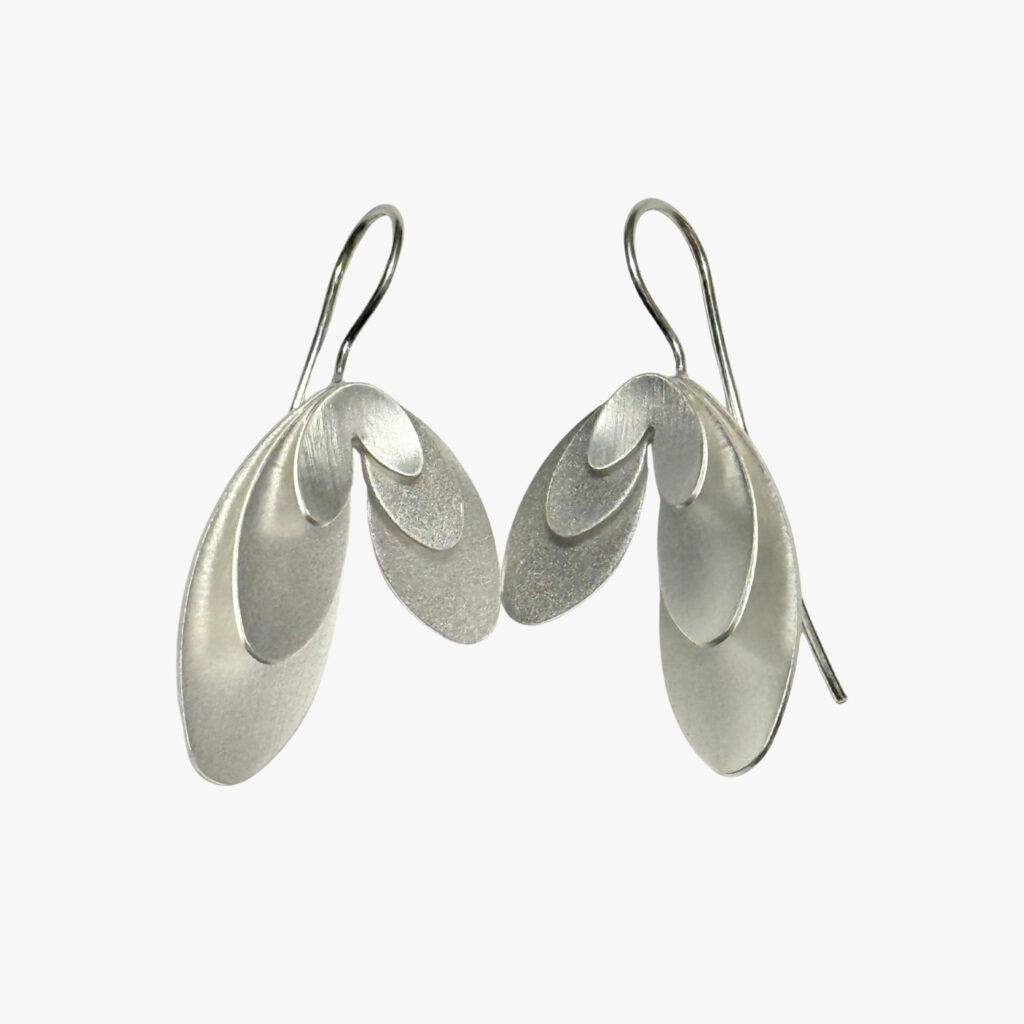
Sterling Silver Jewellery